

When someone talks about “buying a weapon,” most of us picture something literal — but the smartest investments rarely look like trophies. Your real weapons are the things that give you leverage every day: skills that compound, tools that save time, and systems that protect your peace of mind. Spend carefully, and those purchases pay back in performance, confidence, and long-term results.
What “weapon” really means
A weapon doesn’t have to be a tool for fighting. It can be:
- A professional skill (coding, copywriting, negotiation)
- A piece of gear that dramatically improves output (a camera, laptop, power tool)
- A process or system (habit stack, budget, CRM)
- Health and fitness (sleep, training, mental health practices)
Thinking of purchase this way flips the question from “Can I afford it?” to “Will it make me measurably better?”
Choose usefulness over flash
It’s easy to be seduced by shiny specs and big brand names. The better approach:
- Define the problem you want solved. (Save time? Increase income? Reduce stress?)
- Match solutions to that problem — not to your wishlist.
- Prioritize reliability, support, and longevity over trendiness.
- Measure outcomes: did it save you hours, raise revenue, or meaningfully improve quality?
Example: a mid-range laptop that reliably runs your projects beats a high-end model with features you’ll never use.
Invest in training and maintenance
Buying the right thing is only half the battle. Training and upkeep unlock value.
- Allocate part of your budget to learning (courses, mentors, practice). Skills compound; gear without know-how becomes clutter.
- Budget for maintenance — batteries, software updates, servicing. A well-maintained tool lasts longer and performs better.
- Consider warranties and good support networks; they’re insurance for uptime and peace of mind.
Beware of sunk-cost thinking
We cling to purchases because we spent money, not because they still serve us. Periodically audit:
- Is this still the best way to achieve my goal?
- Am I holding onto it because of habit or because it works?
If it’s the former, sell, recycle, donate — redeploy that money to something that actually helps.
Buy once, buy well (when it matters)
For low-impact, replaceable items, save money. For high-impact items that are central to your work or wellbeing, invest:
- A quality tool that cuts your work time in half is worth paying for.
- A course that teaches a revenue-generating skill can pay for itself many times over.
Think of high-quality purchases as investments with returns, not expenses.
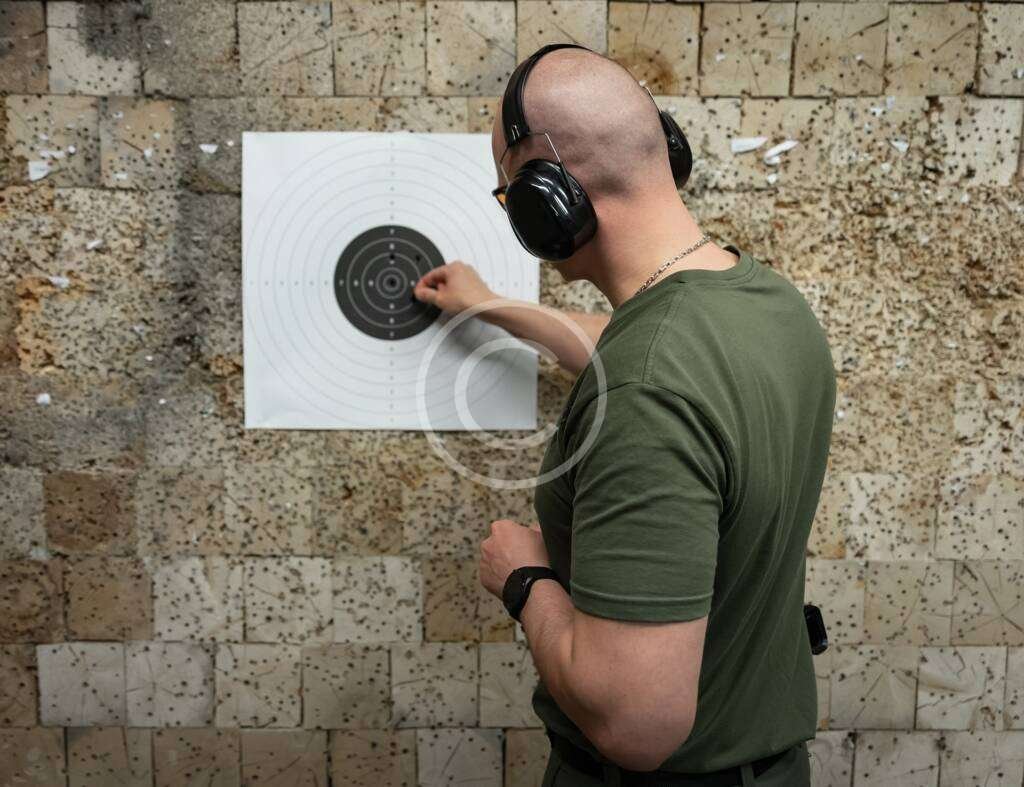
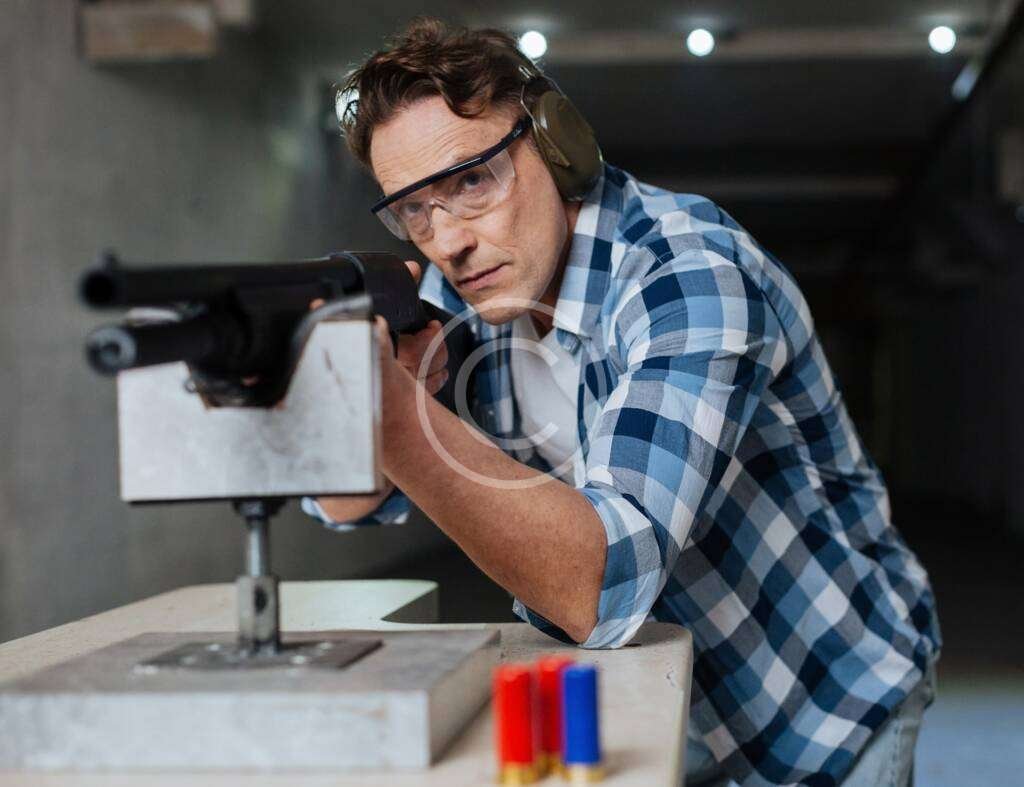
Beware of sunk-cost thinking
We cling to purchases because we spent money, not because they still serve us. Periodically audit:
- Is this still the best way to achieve my goal?
- Am I holding onto it because of habit or because it works?
If it’s the former, sell, recycle, donate — redeploy that money to something that actually helps.
Buy once, buy well (when it matters)
For low-impact, replaceable items, save money. For high-impact items that are central to your work or wellbeing, invest:
- A quality tool that cuts your work time in half is worth paying for.
- A course that teaches a revenue-generating skill can pay for itself many times over.
Think of high-quality purchases as investments with returns, not expenses.
Alternatives when you can’t afford the best
- Rent or borrow to test before buying.
- Buy used from trusted sources.
- Split the cost: co-own expensive equipment with a collaborator.
- Start with fundamentals (skill-first) — often skills amplify cheaper tools.
A quick decision checklist
Before you click “buy,” ask:
- What exact problem does this solve?
- Will it still matter in 12–36 months?
- Do I have — or will I get — the skill to use it well?
- What’s the total cost of ownership (maintenance, training, accessories)?
- If this fails to deliver, can I resell it?
Final thought
The best purchases aren’t about owning the fanciest thing — they’re about acquiring capability. A modest, dependable tool used by a skilled person will outperform a flashy gadget in a drawer every time. Spend your money on the weapon that actually serves you well: the one that makes you better, faster, or calmer over the long run.
